The Town Where White People Were Illegal
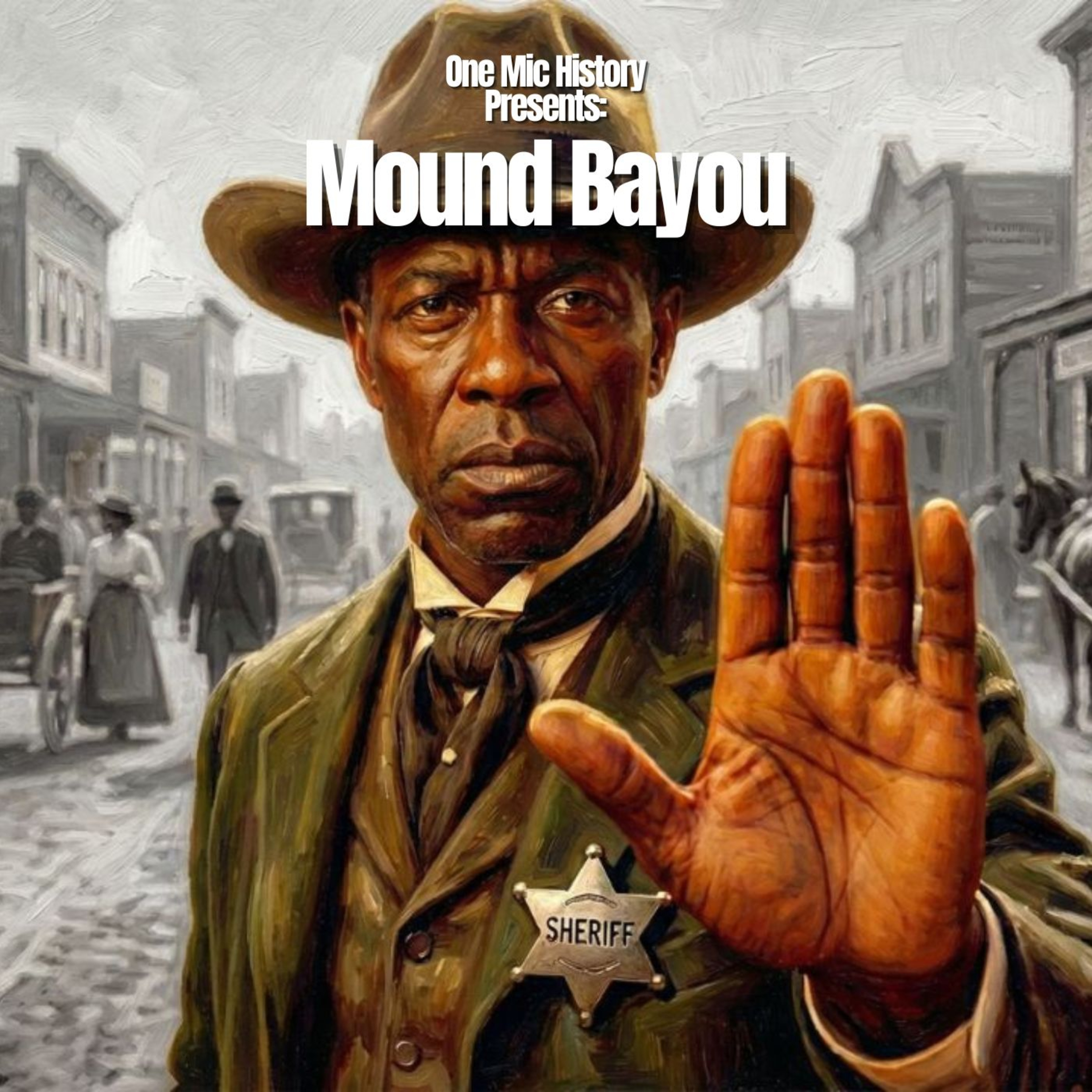








In 1904 Mississippi, a white man stepped off a train and made a dangerous mistake: he thought the law was on his side. He didn't realize he had just walked into Mound Bayou, the only town in the South where Jim Crow had no jurisdiction.Most history books tell us about the prosperous Black towns that were destroyed, Tulsa, Rosewood, Wilmington. But they rarely talk about the one that was too strong to burn.This is the investigative history of Mound Bayou: a "fortress" built in the middle of the Delta that used a loophole in property law to ban white ownership and create a self-sustaining economy. From a hospital with Black surgeons in the 1940s to a bank that secretly funded the Civil Rights movement when the government tried to freeze their assets, this is the blueprint for how infrastructure beats integration.It started with a paradox on a plantation and ended with a town that became a safe house for the movement. This is how they built the wall that hate couldn't climb.The Pursuit of a Dream by Janet Sharp HermannMound Bayou and the Regional Council of Negro Leadership by David T. BeitoRecords from the Taborian Hospital (National Register of Historic Places)